
Latest Work
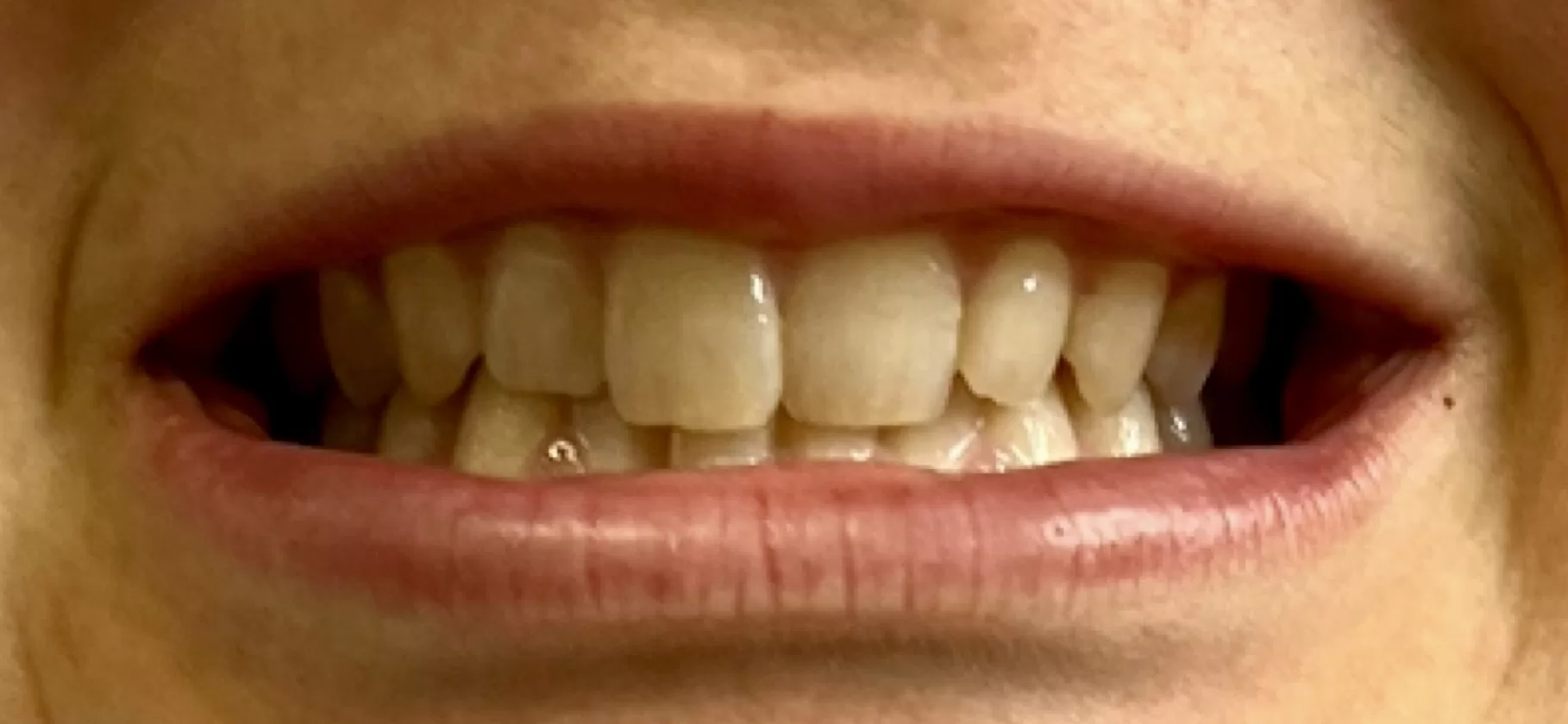
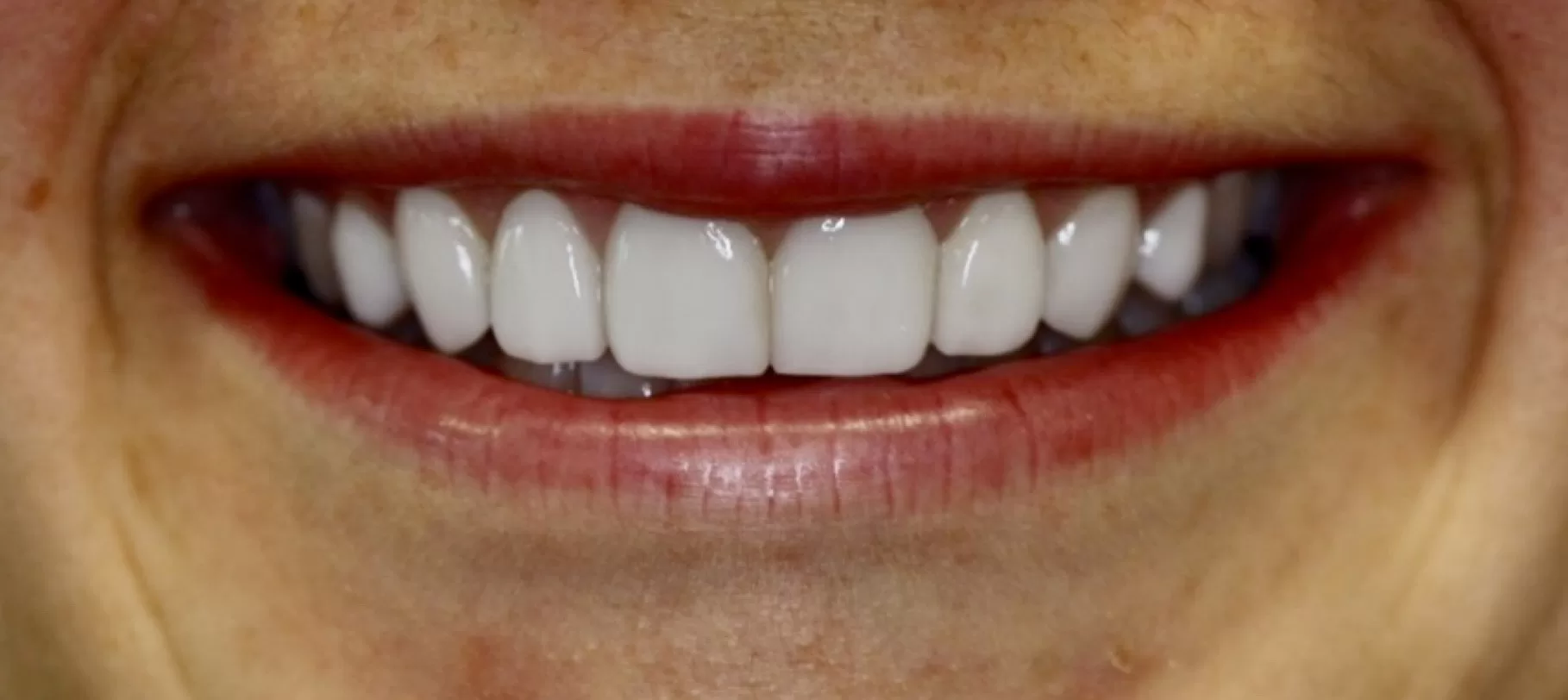
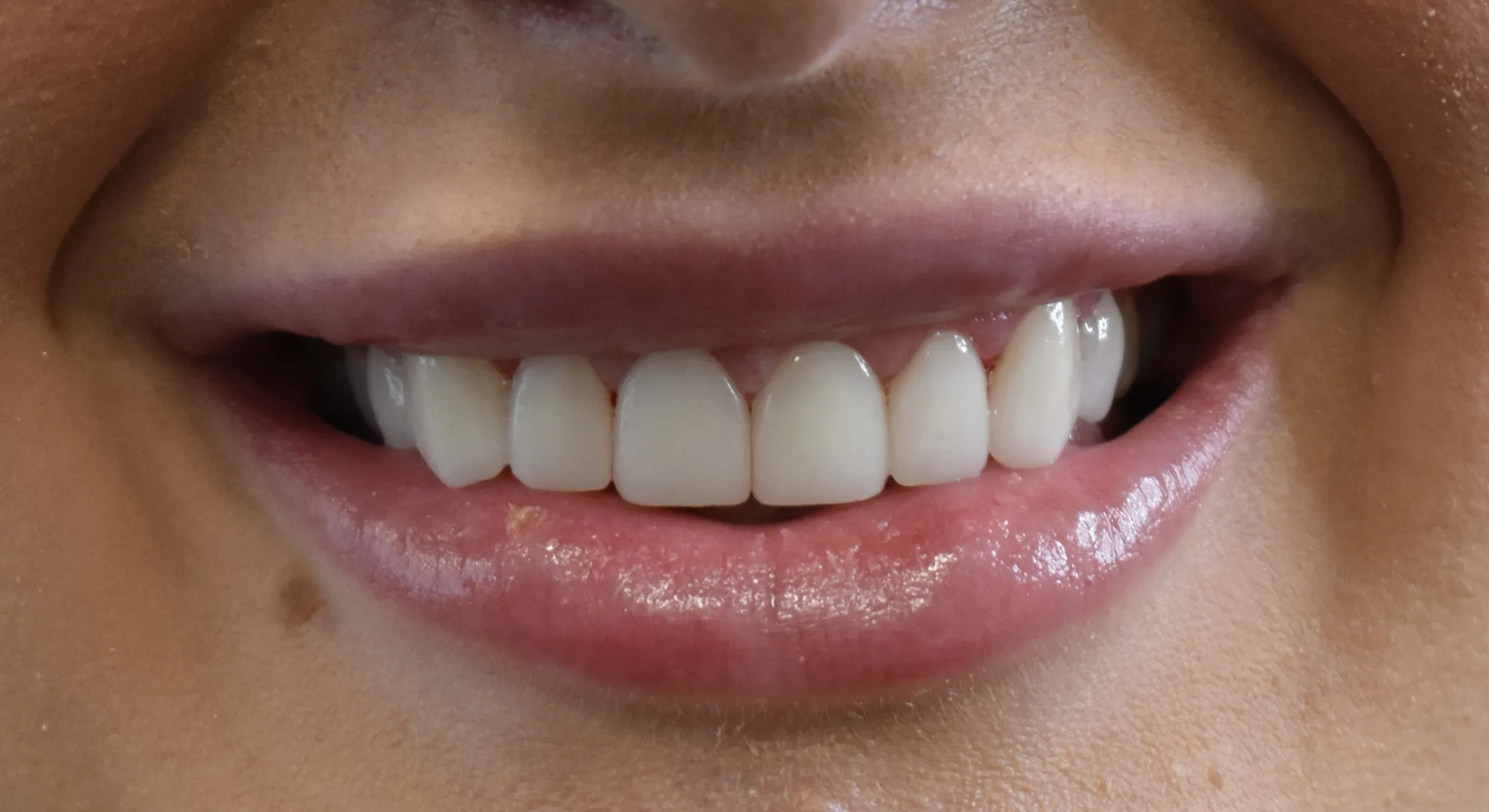
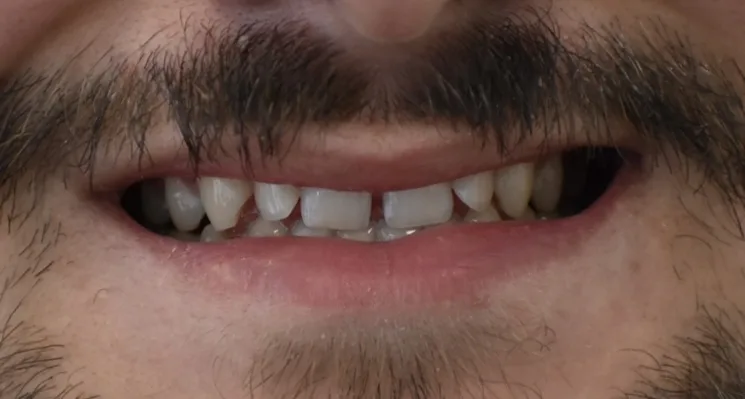
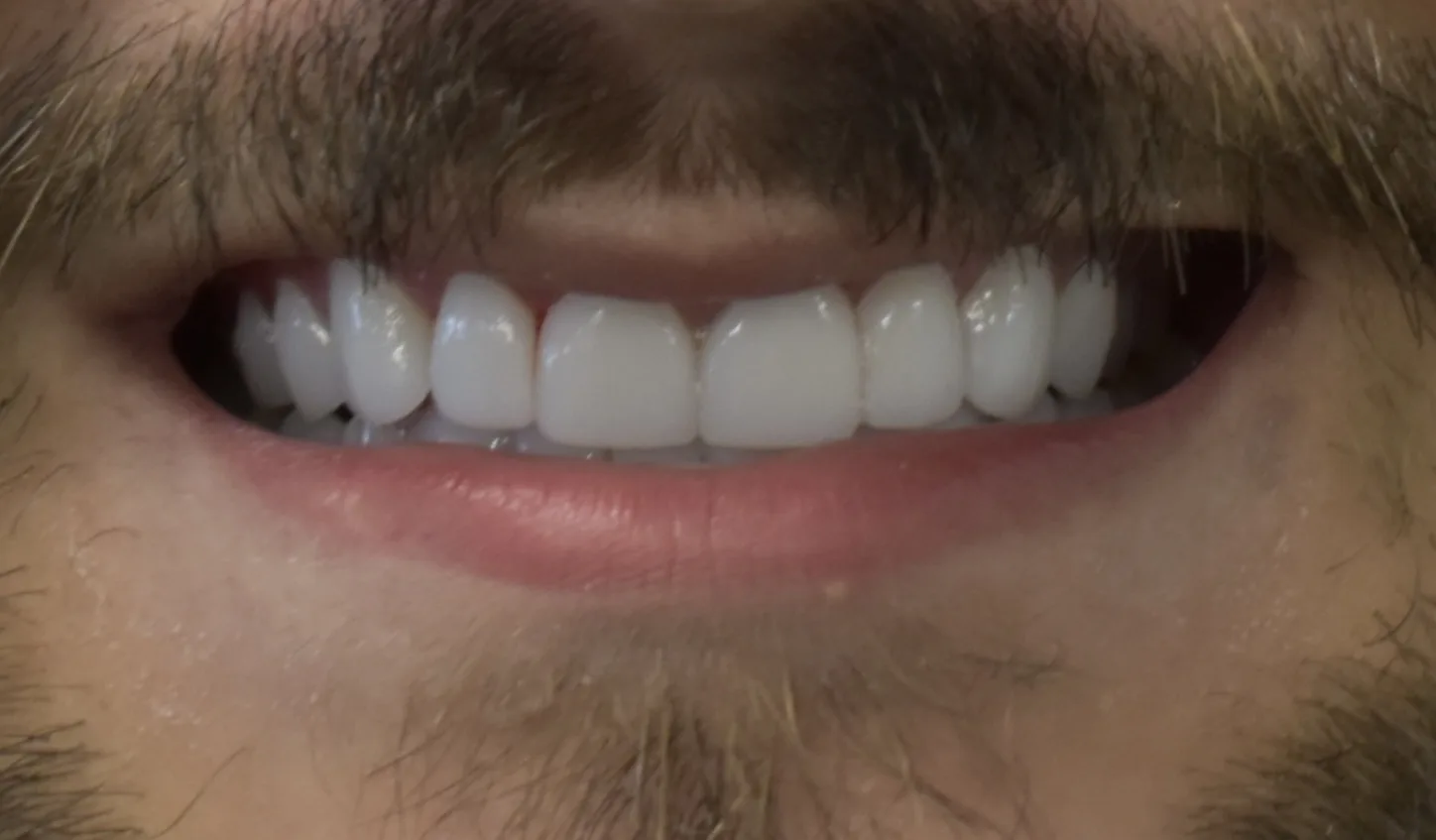
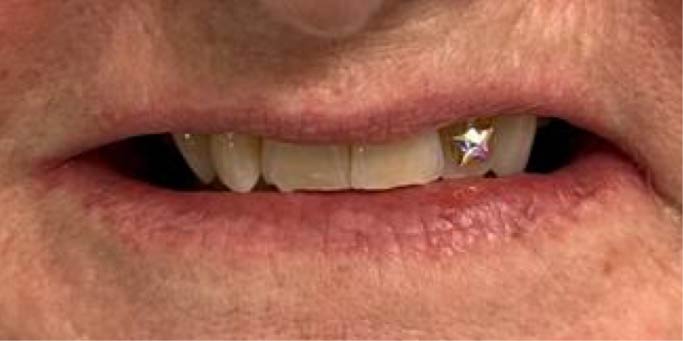
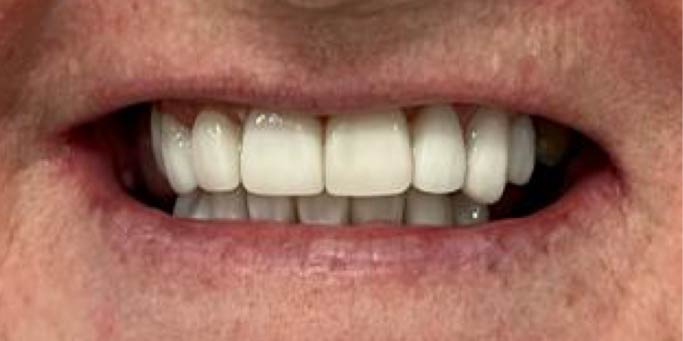
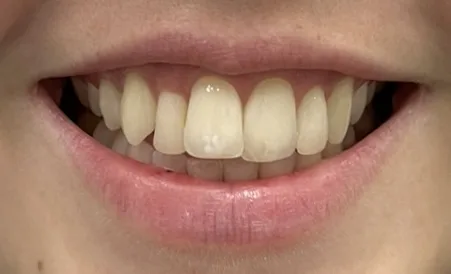
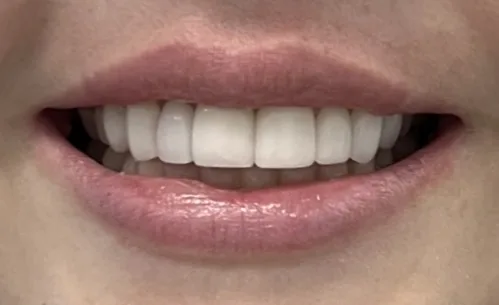
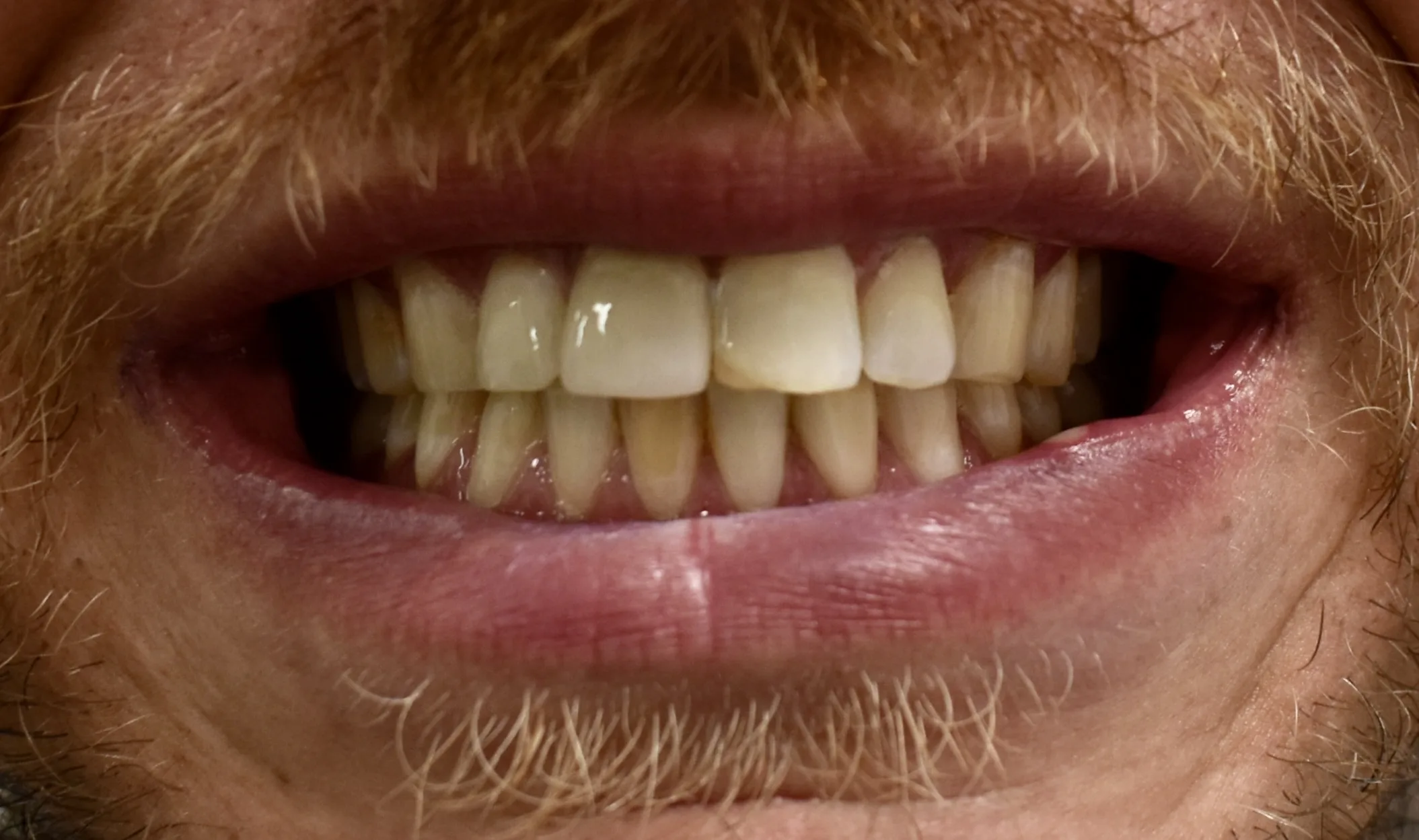
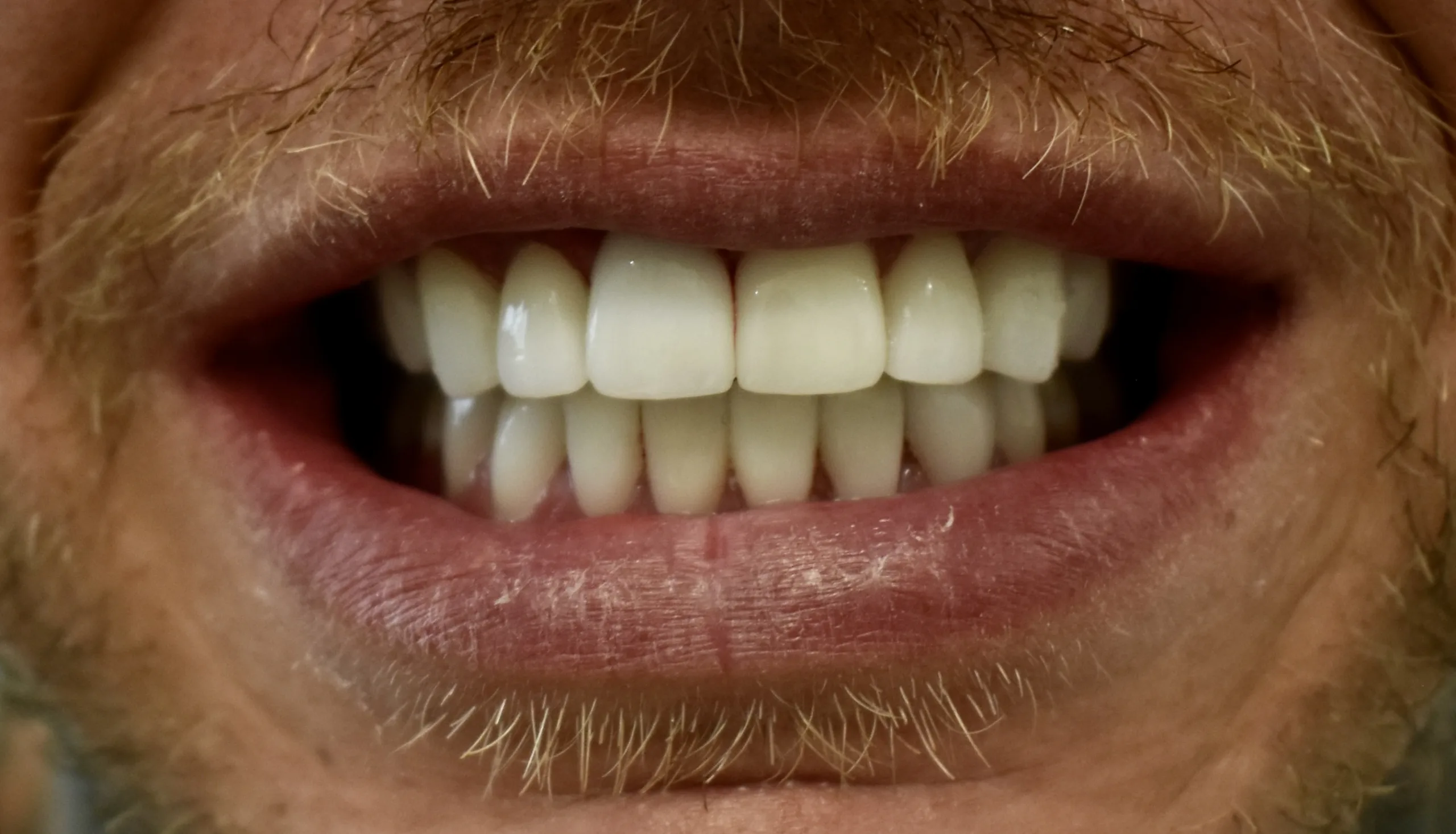
Veneers: Before & After
Case Examples
Below are examples of cases completed by Dr Hau. Additional examples can be viewed on our Facebook and Instagram profiles.
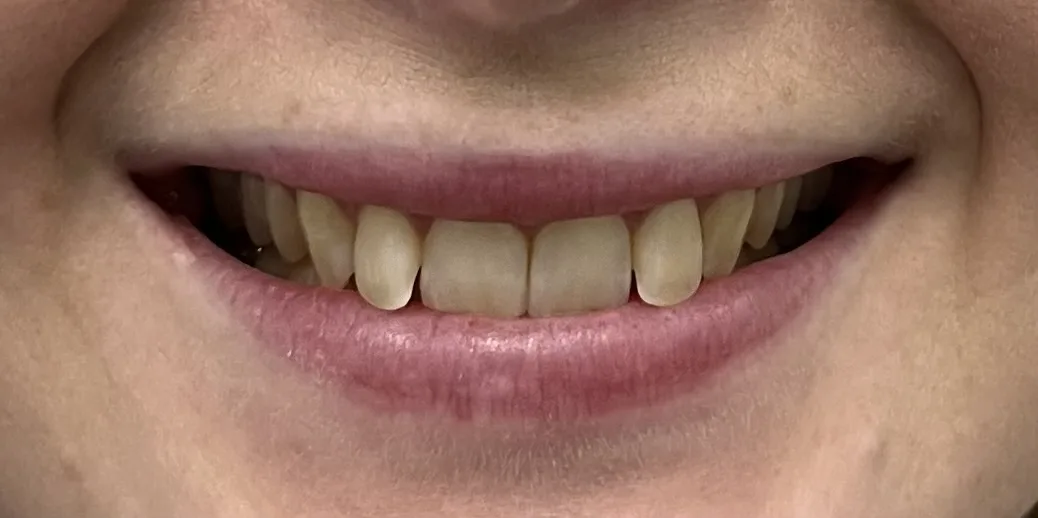
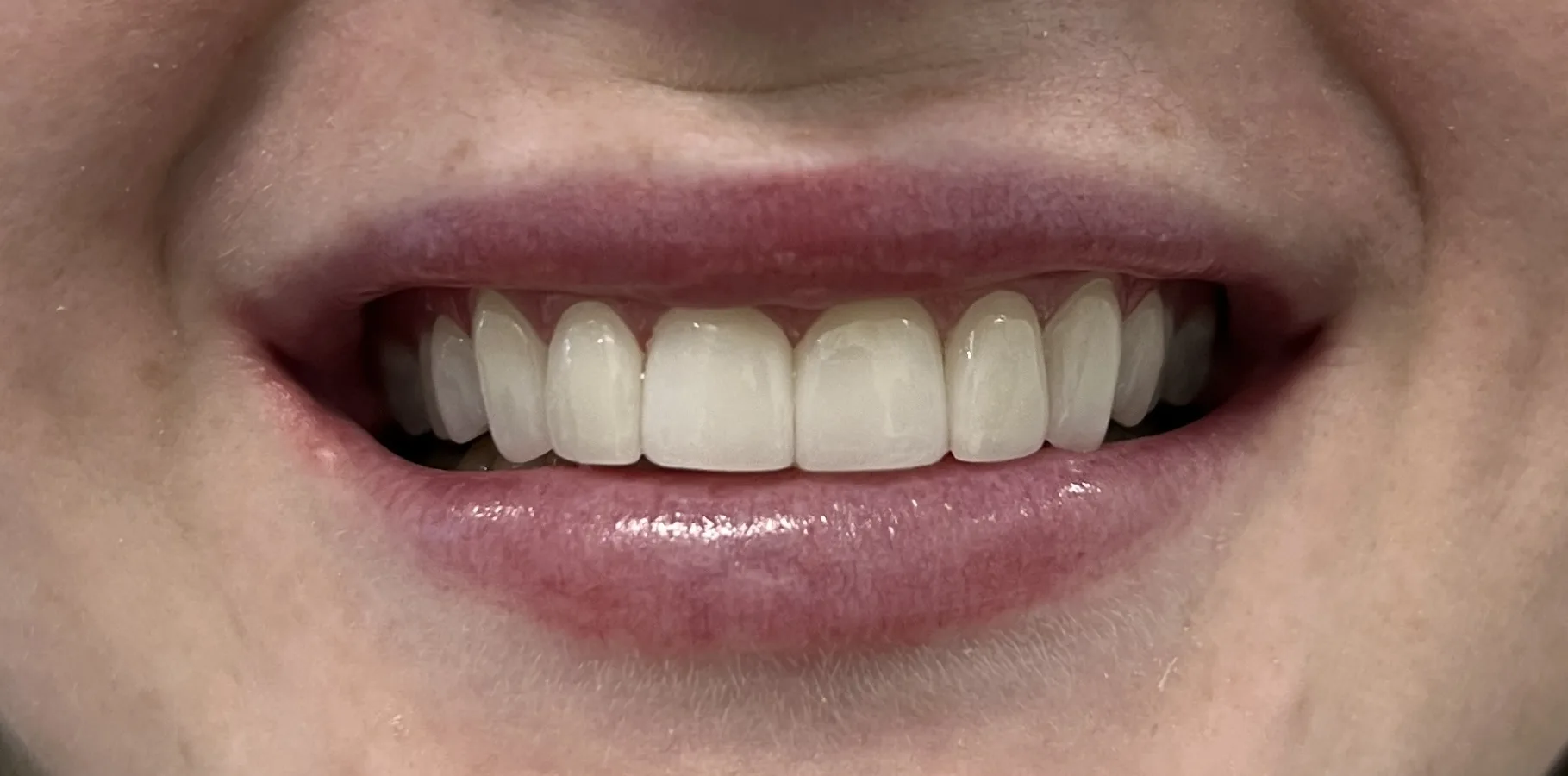
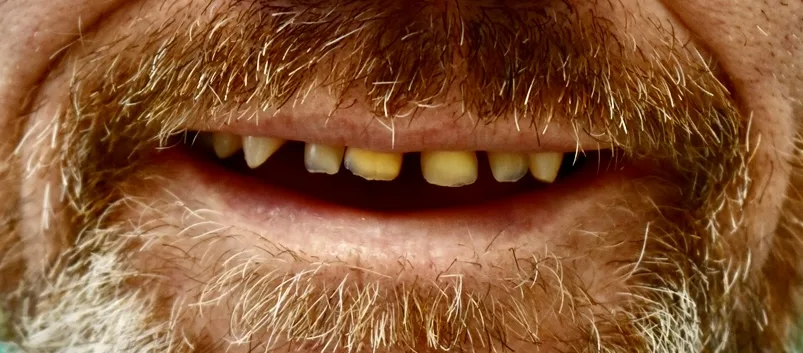
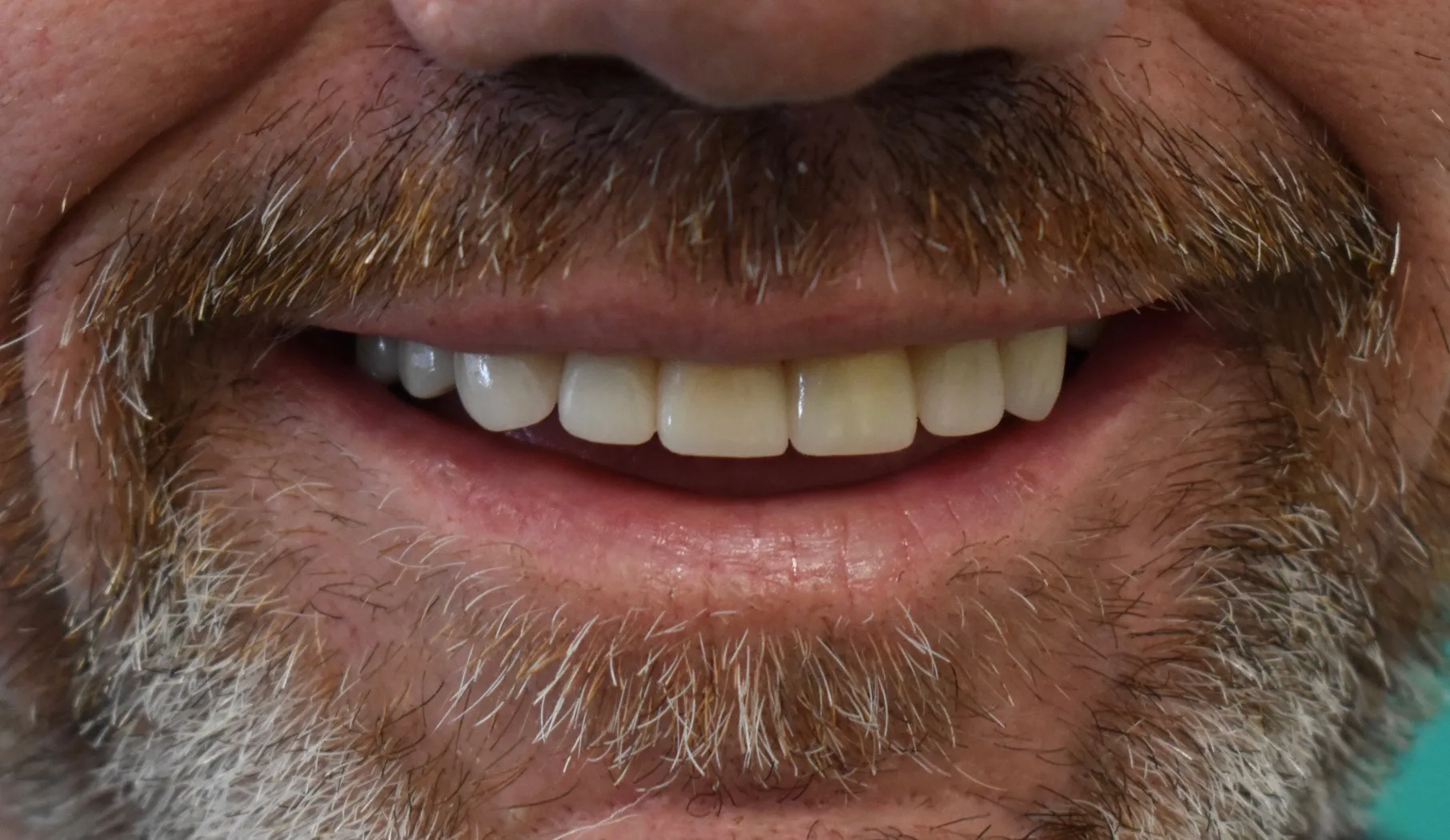
CLINICAL DISCLOSURE
Understanding Treatment Risks
Dental procedures, including porcelain veneers, carry inherent clinical risks. These include, but are not limited to, tooth sensitivity, irreversibility of tooth preparation, risk of fracture, potential for pulp involvement, and the requirement for future replacement. Individual outcomes cannot be predicted with certainty. We present this information clearly so that patients are fully informed before seeking a consultation.
Important Information About Results
Before‑and‑after images represent outcomes achieved for individual patients. These examples do not predict or guarantee results for other patients, as outcomes vary based on each person’s dental condition and treatment plan.
Recovery Time After Dental Veneers
Most patients resume normal daily activities shortly after their veneer appointment. Mild sensitivity or discomfort may occur for a short period as the teeth and surrounding tissues adjust. Recovery time varies depending on the number of veneers placed, the type of veneers used (porcelain veneers or composite veneers), and the individual’s oral health.
What Patients Commonly Experience After Veneers
Patients may experience one or more of the following during the initial recovery period:
-
Temperature sensitivity Temporary sensitivity to hot or cold foods and drinks is common and usually settles as the teeth adapt.
-
Mild gum tenderness The gums around the treated teeth may feel tender for a few days, particularly if the veneers extend slightly under the gumline.
-
Adjustment to bite and shape It may take several days to become accustomed to the new contours of the veneers, especially in cases involving multiple veneers or veneers for crooked teeth.
-
Follow‑up review A review appointment is typically recommended to assess the fit, bite, and comfort of the veneers.
These experiences are generally short‑term and vary between individuals.
Lifestyle Considerations After Veneers
Certain temporary lifestyle adjustments may support the recovery process and help maintain the veneers:
-
Chewing habits Avoid chewing hard objects such as ice, pens, or fingernails. This applies to both porcelain veneers and composite veneers.
-
Dietary considerations Immediately after placement, softer foods may be more comfortable. Patients with composite veneers may be advised to minimise highly pigmented foods and drinks to reduce staining.
-
Oral hygiene Regular brushing and flossing remain essential. Non‑abrasive toothpaste is generally recommended to avoid unnecessary wear.
-
Night‑time protection Patients who grind or clench their teeth may be advised to use a night guard to protect the veneers.
-
Alcohol‑based mouthwash Some clinicians recommend avoiding frequent use of alcohol‑based mouthwash, as it may affect the bonding material over time.
How Long Veneers Take to Settle
Porcelain veneers and composite veneers typically stabilise within one to two weeks as the bite adjusts and sensitivity reduces. Any ongoing concerns should be assessed during a follow‑up appointment.
Important Information About Individual Variation
Recovery experiences differ between patients. The information above describes general patterns and does not predict individual outcomes. Your clinician will provide guidance based on your specific treatment plan and oral health.
Book Your Consultation Today
Our team will guide you through the process and provide personalised advice on whether porcelain veneers or composite veneers are the right choice for you.
Phone
0406 403 821
Email Us
smile@smileonperth.com.au
Address
Unit 4B/151 Herdsman Parade
Wembley WA 6014